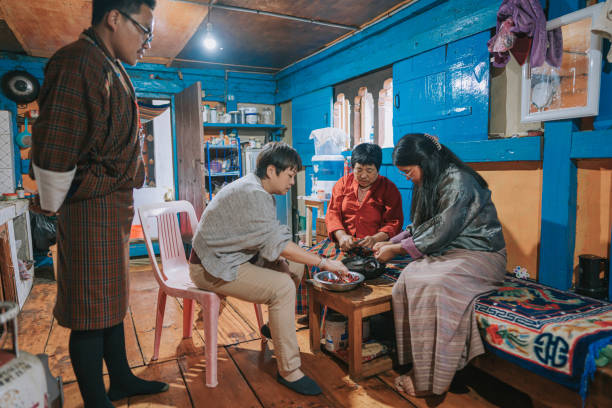

ok so experiential learning is one of those things educators keep talking about but honestly it can feel vague until you see it in action. basically instead of sitting in class listening to lectures and taking notes students actually do stuff, like projects, simulations, internships, community service, anything that gets them actively participating instead of passively absorbing information. it’s learning by doing instead of just memorizing textbooks
traditional classroom methods often focus on theory, exams, and grades which are important but they rarely teach skills like problem-solving in messy real-life situations, collaboration, adaptability. experiential learning tries to fill that gap making learning relevant and practical
what experiential learning is
experiential learning means students engage with real-world problems or tasks, reflect on their experience, and apply knowledge in context. it’s not just about doing it but also thinking critically about what worked, what didn’t, and why.
examples: science students conduct experiments instead of just reading lab reports, business students run simulated startups, engineering students build prototypes, medical students practice on models or shadow professionals
Kolb’s experiential learning cycle is often referenced: concrete experience, reflective observation, abstract conceptualization, active experimentation. basically learn, reflect, apply, repeat
hands-on skill development
students learn practical skills relevant to real-life situations. like a design student doing interior layout project learns measurement, space planning, client communication, budgeting not just theory.
this kind of learning sticks better because students are physically and mentally involved, often retain knowledge longer than passive reading or listening.
critical thinking and problem solving
real-world projects rarely go smoothly. students encounter unexpected challenges, limited resources, conflicting opinions. experiential learning forces them to think critically, make decisions, adapt strategies, find solutions under pressure
these experiences mirror workplace challenges better than hypothetical examples. helps develop mental agility, resilience
collaboration and teamwork
many experiential learning projects require group work. students must communicate, negotiate, divide tasks, manage conflicts, and coordinate effectively.
these skills directly translate to professional environments where collaboration is key. learning to work with different personalities early reduces friction in future workplaces
exposure to real-world environments
internships, field trips, community projects expose students to actual professional settings. they see how organizations function, what roles exist, how decisions are made, understand workplace culture and expectations
this exposure helps clarify career goals, motivates learning, gives context for academic concepts
personal growth and confidence
completing real projects, presenting findings, or solving tangible problems builds confidence. students learn to trust their skills, handle criticism, and persevere through difficulties
risk-taking in controlled educational setting helps students learn from mistakes without severe real-world consequences
adaptability and lifelong learning
real-world situations rarely follow textbook rules. experiential learning teaches students to adapt to changing circumstances, think creatively, learn continuously, and handle ambiguity.
this mindset is critical for careers in rapidly evolving fields like technology, healthcare, business
integration with traditional learning
experiential learning complements traditional instruction. theoretical knowledge provides foundation; hands-on application reinforces understanding.
example: medical students study anatomy then practice in labs or clinics; business students learn marketing theory then run campaigns or simulations
technology and experiential learning
virtual labs, simulations, online projects expand experiential learning opportunities. students can engage with realistic scenarios remotely, practice decision-making, analyze outcomes digitally.
AR/VR technologies increasingly provide immersive experiences like simulated surgeries, historical recreations, or engineering prototypes testing
assessment and reflection
reflection is key. students analyze what went well, mistakes made, lessons learned. reflective journals, presentations, discussions ensure deep learning beyond task completion
assessment based on problem-solving, creativity, teamwork, application of knowledge rather than rote memorization
personal observation
i remember working on community service project during college where we designed small garden space for local center. it wasn’t just planting flowers but planning layout, sourcing materials, budgeting, coordinating volunteers. by the end project felt real accomplishment, learned more than any lecture about project management, teamwork, problem solving
same applies in internships or lab experiments. mistakes early on teach lessons better than reading about ideal outcomes in books
challenges
requires resources, time, supervision, planning. not every school can provide high-quality experiential learning consistently.
some students may struggle with unstructured approach, prefer clear instructions. reflection and guidance crucial to ensure learning, prevent frustration
long-term benefits
students with experiential learning experience often perform better in workplace, enter careers with practical skills, confidence, adaptability, teamwork, problem-solving abilities
enhances employability, readiness for challenges, smoother transition from education to professional life
future trends
integration with technology like VR, AR, AI simulations expands scope and accessibility of experiential learning
collaboration with industry partners increases, providing internships, mentorship, real-world projects even in remote learning settings
emphasis on global challenges, social impact projects helps students gain broader perspective, empathy, civic responsibility
final thoughts
experiential learning prepares students for real life by
developing practical skills applicable in workplace
enhancing critical thinking and problem-solving
improving collaboration and communication
providing exposure to real-world environments
building confidence and personal growth
teaching adaptability and lifelong learning mindset
reinforcing theoretical knowledge through hands-on practice
its messy sometimes unpredictable, requires effort from students and instructors, but rewards are tangible. students enter real world more prepared, capable, confident, ready to face challenges rather than overwhelmed by theory alone. basically it makes education relevant, engaging, and much more effective for life beyond classroom