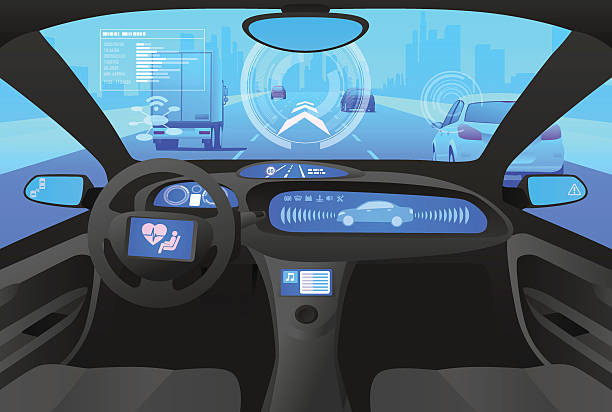

ok so adaptive cruise control (ACC) is one of those things that sounds super futuristic but it’s real now and like honestly its changing how people drive today. normal cruise control is boring, you know, you set your speed and the car just goes there like autopilot but doesn’t really care about traffic in front. if someone slows down you gotta brake yourself, which is stressful especially in traffic jams or on long drives when your foot hurts or your brain gets tired. ACC fixes that because it watches the car in front of you using radar, sometimes cameras, sometimes lidar, and it automatically adjusts speed so you don’t hit anyone. yeah sounds like sci-fi but it is totally real.
so why it important: accidents happen all the time. rear end collisions are super common, especially on highways or city freeways. people driving distracted, tired, or inexperienced often crash into the car in front of them. ACC basically acts like a co-pilot watching traffic for you. it keeps a safe distance, slows down when necessary, speeds up when traffic clears. basically car kinda drives itself but you still responsible. people sometimes think “oh car drives itself, i can sleep” which is very bad idea, but if you use it correctly it reduces stress and accidents a lot.
how ACC actually works
ok so the car has sensors, usually radar in front bumper or grill, sometimes lidar too. cameras often on windshield. these sensors constantly measure distance and speed of the car in front of you hundreds of times per second. computer in car calculates safe distance and adjusts throttle and brakes automatically. so if traffic slows, car slows, if traffic speeds up, car speeds up. some advanced systems even stop car completely if traffic stops (stop-and-go) and resume when traffic moves again.
some cars have AI that predicts traffic behavior. for example, if car ahead slows down suddenly, AI can tell your car to slow down even before sensors detect actual speed drop, reducing risk of rear collision.
some newer systems integrate with lane keeping assist, so car not only keeps distance but also stays centered in lane. very handy on long drives, especially for tired drivers or people nervous on highways.
benefits of ACC
-
reduces rear end collisions, most common highway accident
-
maintains consistent following distance, safer than human judgment
-
reduces driver fatigue, foot not constantly pressing pedals
-
useful for inexperienced or nervous drivers on long highway trips
-
helps in stop-and-go traffic, traffic jams less stressful
-
sometimes improves fuel efficiency, because smooth acceleration and braking
like seriously, if you drive 2-3 hours on highway with traffic, ACC keeps constant distance, smooths out braking and accelerating, and your foot doesn’t get sore. driver can focus on steering and watching for sudden events.
my personal experience
i tried ACC on a 300 km highway drive once. initially very weird, like “oh car braking by itself? accelerating by itself? am i really driving or just passenger?” but after 10-15 minutes got used to it. car slowed automatically for trucks before i even noticed them. it kept safe distance from cars around me perfectly. i was less stressed, less constant mirror checking, and less fatigue.
on stop-and-go traffic, ACC handled braking when cars stopped and accelerated again. normally i would tense up, brake manually, accelerate manually, watch mirrors constantly, but with ACC it felt like car was co-pilot helping. really reduces stress on long trips.
different types of ACC
-
basic ACC: only maintains speed and distance
-
advanced ACC: stop-and-go traffic, integrates with lane assist
-
predictive ACC: uses GPS, road curves, hills to anticipate braking or acceleration
-
luxury AI ACC: predicts traffic behavior, smooths braking even before sensor detects slowing car
so basically ACC comes in many flavors depending on car make, price, and technology level. even some mid-range cars now include ACC which is great for wider adoption.
limitations
ACC is NOT perfect. it cannot see everything. sudden obstacles like animals, pedestrians, cyclists, debris might need driver intervention. bad weather like heavy rain, snow, fog can interfere with radar/camera. you still need hands on wheel and eyes on road.
sometimes drivers get lazy or overconfident, thinking car can drive itself fully. very dangerous. ACC is driver-assist, not full self-driving. misuse can lead to accidents.
future of ACC
future ACC will be integrated with vehicle-to-vehicle (V2V) communication, connected traffic lights, AI prediction. cars might know traffic 2 miles ahead slowing down, accidents, construction zones. fully semi-autonomous highways might be reality someday.
EVs integrate ACC with regenerative braking, improving safety AND energy efficiency. combination of AI, connected cars, and smart infrastructure could reduce accidents drastically in next decade.
challenges for adoption
-
people afraid of tech or think expensive
-
sensors get dirty, blocked, or confused by weather
-
some cheaper cars still don’t have ACC
-
drivers may misunderstand system capabilities
education is key so drivers understand ACC limits and don’t over-rely on it.
extra advantages
ACC improves fuel economy sometimes because smooth acceleration reduces unnecessary braking and speed fluctuations. also reduces stress which indirectly reduces accidents caused by fatigue or road rage.
some insurance companies offer discounts if you drive ACC-equipped car, recognizing lower risk.
mental benefits
driving long hours with ACC reduces tension, less road anxiety, more focus on scenery, less stress overall. you can enjoy long trips more.
even small daily drives benefit. city stop-and-go traffic becomes slightly less annoying because car handles acceleration/braking intelligently.
real world statistics
studies show cars with ACC have lower rear-end collision rates. some automakers report 20-30% reduction in minor crashes on highways. combined with lane keeping assist, total accident reduction higher.
consumer reports indicate drivers feel safer and more relaxed using ACC regularly.
conclusion
adaptive cruise control is not just convenience, it is life-saving tech. reduces rear-end collisions, maintains safe distance, reduces fatigue, useful for new drivers, handles stop-and-go traffic, predicts hazards sometimes. humans still responsible for driving but ACC is like co-pilot watching traffic constantly.
basically, ACC is making highways safer, less stressful, and driving more comfortable. with AI, connected infrastructure, predictive algorithms, and integration with autonomous systems, future roads could be much safer and accidents less frequent. but humans always must pay attention, because technology helps but can’t replace responsibility.
so next time you drive with ACC, remember: its a helper, a safety net, and stress-reducer all in one. its future of driving today.